

CurvatureEnergy assesses land in Switzerland suitable for grid-scale battery storage projects — for landowners considering a long-term lease. We focus on locations near substations, industrial zones or grid infrastructure, where technical and permitting feasibility may support development.
A battery energy storage system (BESS) is a grid-connected installation that stores electricity and later feeds it back to the network. Battery storage projects require well-located land with access to grid infrastructure. Sites near substations, industrial areas or existing electrical infrastructure may be suitable for a long-term battery storage land lease — if grid connection, zoning and permitting conditions are viable.
For the landowner, this can mean recurring lease income from land with limited alternative commercial use — with the developer responsible for construction and project development. Land-use rights, access, removal and the landowner’s remaining duties are set out in the lease.

Not every parcel is a fit. The screening favours land that pairs technical access with low conflict — proximity to the grid being the single most decisive factor.
If a site is suitable, CurvatureEnergy can discuss a commercial lease structure. Potential benefits include:
After receiving the basic site information, CurvatureEnergy can perform an initial screening of grid proximity, land suitability and development constraints.
If the site appears relevant, the next step is a discussion on commercial terms and required technical validation — before any binding commitment from either side.
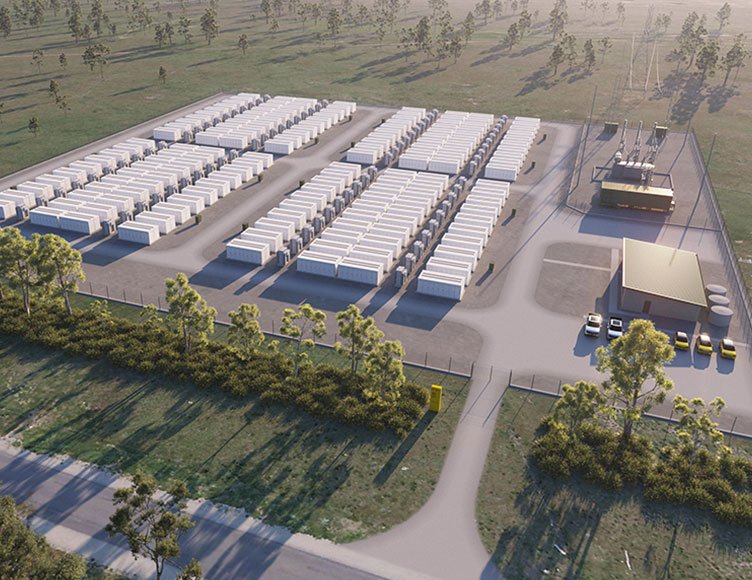
A parcel’s size, access and ground conditions all matter. But in Switzerland the binding constraint is almost always the grid connection. Two comparable parcels a few kilometres apart can lead to entirely different conclusions, because they fall under different distribution grid operators with different available capacity and different terms.
There are roughly 600 grid operators in Switzerland, each setting its own connection conditions. Capacity is genuinely scarce — surveyed operators report connection-request queues exceeding 10% of their network load, as we set out in our analysis of Swiss BESS development feasibility. And the one-off contribution towards grid costs varies sharply with the network level a project ties into: in one published schedule, the same 8 MW connection ranges from CHF 112,000 to CHF 648,000, which we examine in our analysis of the Netzkostenbeitrag.
This is why we establish the responsible operator, the network level and the available headroom before any discussion of lease terms. It also means an unremarkable-looking parcel can be valuable if it sits at the right point on the network — and a large, well-situated one may not be.